Pain Hub PFP Meaning Style and Safe Use 2026
A pain hub pfp usually refers to a profile picture connected to the name “Pain Hub,” often through a logo-style image, a dark meme aesthetic, or a customized avatar. “PFP” simply means profile picture. The phrase does not point to one clearly verified, official image source, so the safest approach is to treat it as a style or community reference rather than assuming every image using the name is official.
What PFP means
PFP is internet shorthand for “profile picture.” It can mean the image currently displayed on an account, or an image intended for someone to use as an avatar.
A PFP is usually shown as a small circle or square. That makes clarity more important than fine detail. A busy image may look good full-size but become unreadable once it is reduced to avatar size.
What a Pain Hub PFP can refer to
The wording can be ambiguous. In online communities, names are often reused for fan pages, groups, gaming projects, memes, or unrelated accounts. A Pain Hub PFP may therefore mean one of several things:
- A logo or text-based avatar using the words “Pain Hub.”
- A profile image associated with a particular server, group, creator, or game community.
- A dark, dramatic, ironic, or “edgy” avatar style shared under that label.
- A request for a custom image that includes the name.
Before using a design, check where the name is being used. A community’s recognizable emblem may belong to its owner, and a random repost is not proof that an image is free to copy or that it represents the original group.
How to choose a Pain Hub PFP
A good avatar does not need to be complicated. It needs a clear focal point and enough contrast to remain visible in a small icon.
Keep the central detail visible
Many apps crop profile pictures into circles. Put the face, symbol, or key lettering near the center, with space around the edges. Avoid placing important text in corners, where it may be cut off.
Use short, readable text
If you want the name in the image, use one or two bold words rather than a long slogan. Thin letters, low-contrast colors, and highly decorative fonts often disappear at small sizes.
Choose a simple color palette
Two or three strong colors are generally easier to recognize than a crowded mix. Dark backgrounds can fit the intended mood, but the main symbol should contrast clearly against them.
Match the account’s purpose
A humorous meme image may suit a casual social account but not a school, workplace, or public-facing account. If the profile represents a group, agree on a shared design and keep the visual identity consistent across platforms.
Make a custom Pain Hub PFP
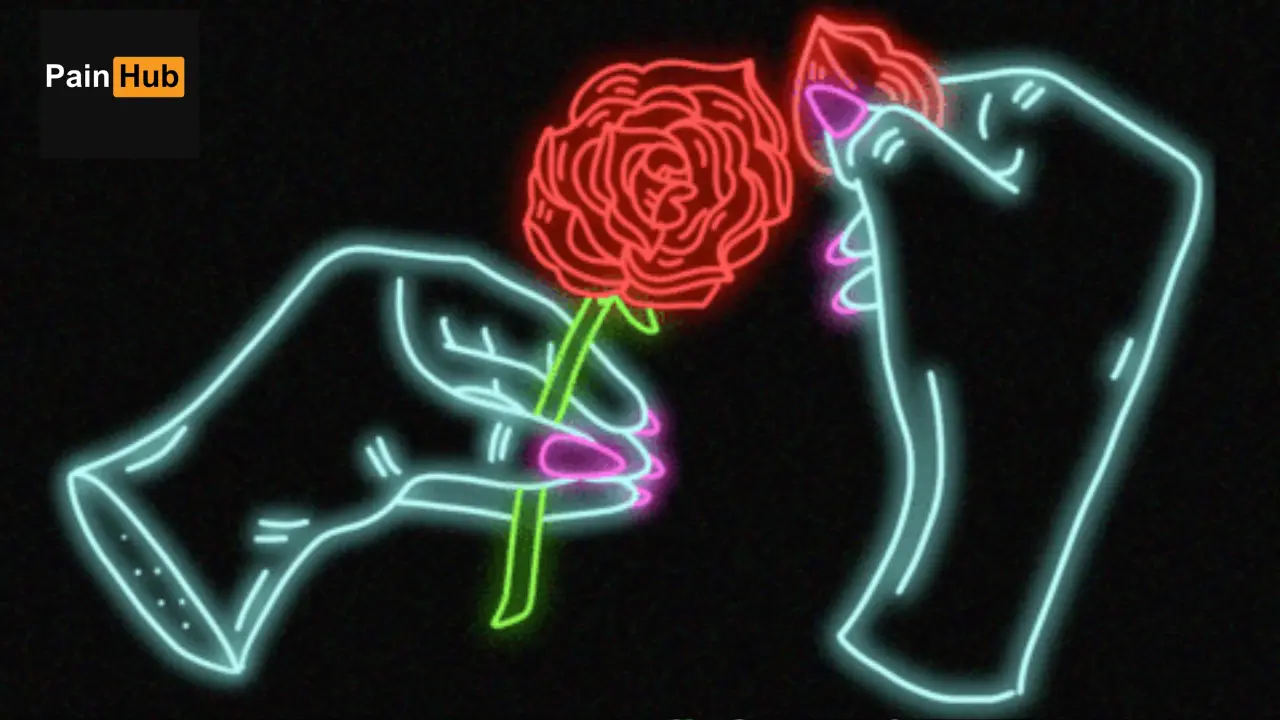
Pain Hub PFP, Creating an original design is often the simplest way to get the look you want while avoiding confusion with another person’s account. You do not need advanced design software; a basic image editor with text, shapes, and cropping tools is enough.
- Start with a square canvas. A square image adapts well to most profile-picture slots.
- Pick one focal element. Use an original icon, a stylized initial, a silhouette you created, or a licensed graphic.
- Add the name only if it remains legible. Center it and test it at a small size before saving.
- Use contrast. Light lettering on a dark field, or dark lettering on a light field, is usually easier to read.
- Export a clean copy. PNG is useful for crisp graphics and transparency; JPG can work well for photographic artwork.
- Preview the crop after uploading. Platforms may zoom or circle-crop the file differently.
For a personal touch, use your own colors, initials, or a symbol that has meaning to your group. Avoid presenting the account as an official page if it is not one.
Copyright impersonation
Pain Hub PFP can involve more than visual taste. An image may contain a copyrighted illustration, a trademarked logo, a creator’s original character art, or a photograph of a real person. Publicly visible online does not automatically mean it is available for reuse.
Using a design with permission, making your own, or choosing material offered under terms that allow your intended use is the safer route. Credit can be polite and expected in some art communities, but it does not replace permission where permission is required.
Privacy
A Pain Hub PFP can reveal more than intended. Before uploading, check whether the image includes a real name, school logo, location, house number, private messages, or identifying details in the background. This matters most for children, teens, and accounts used in large public communities.
Common mistakes to avoid
- Using tiny text: It may be impossible to read in a chat list or comment section.
- Forgetting circular crops: Faces and logos at the edge may be clipped.
- Copying fan art without asking: Artists’ work is not automatically free to reuse.
- Using a misleading official-looking badge: Make it clear when an account is unofficial.
- Uploading a blurry screenshot: Start with the original file or a high-resolution export.
- Adding too many effects: Heavy filters, glows, and small symbols can turn into visual noise.
Quick checklist before you upload
Use this short check to decide whether the image is ready:
- Can you identify the main subject at a small size?
- Does the important content stay inside a circular crop?
- Do you have the right to use the artwork or logo?
- Does it avoid private or identifying information?
- Does it follow the rules and age standards of the platform or community?
- Does it clearly distinguish an unofficial fan or personal account from an official one?
Frequently asked questions
Is Pain Hub PFP the same as an avatar?
Usually, yes. Pain Hub PFP is common social-media slang, while “avatar” is a broader term for the image or character representing an account.
Can I use any image I find online as my profile picture?
Not necessarily. The image may be protected artwork, a logo, or a person’s photo. Making your own image, asking permission, or using content with suitable reuse terms is safer.
Why does my profile picture look cropped after upload?
Many platforms display avatars in a circle or automatically zoom the image. Keep the main design centered and leave empty space near the edges.
Should a Pain Hub PFP use a logo?
Only use a logo if you are allowed to use it and it does not imply that your account is official. An original symbol or customized text treatment is often a better choice for a personal account.
What image format should I use?
Use the format accepted by the platform. PNG is often a good choice for logos and text because it keeps edges sharp, while JPG is commonly suitable for photos.
Final takeaway
A pain hub pfp is best understood as a profile-picture label or style reference, not a guaranteed official image or single fixed design. Keep the avatar simple, original or properly permitted, easy to recognize after cropping, and appropriate for the community where you use it. Those choices make the result look better and reduce avoidable privacy, copyright, and impersonation problems.