You Did It vs. You Made It Meaning and Usage 2026
You did it and you made it can both celebrate success, but they do not mean the same thing. In You Did It vs. You Made It, you did it focuses on completing or achieving something, while you made it usually means reaching a destination, deadline, goal, or level of success despite difficulty.
The phrases overlap in many happy moments. Still, choosing the more precise one makes congratulations sound more natural and shows what kind of accomplishment you mean.
The quick difference You Did It vs. You Made It
You Did It vs. You Made It: Use you did it when someone has accomplished a task or goal. Use you made it when someone has arrived, survived a challenge, met a deadline, or reached a desired point.
| Phrase | Main idea | Natural example |
|---|---|---|
| You did it! | You completed or achieved something. | You passed the driving test—you did it! |
| You made it! | You reached a place, time, goal, or successful position. | You made it to the airport before the gate closed! |
Both phrases are common in informal speech. Tone and context often determine whether one sounds better than the other.
What you did it means
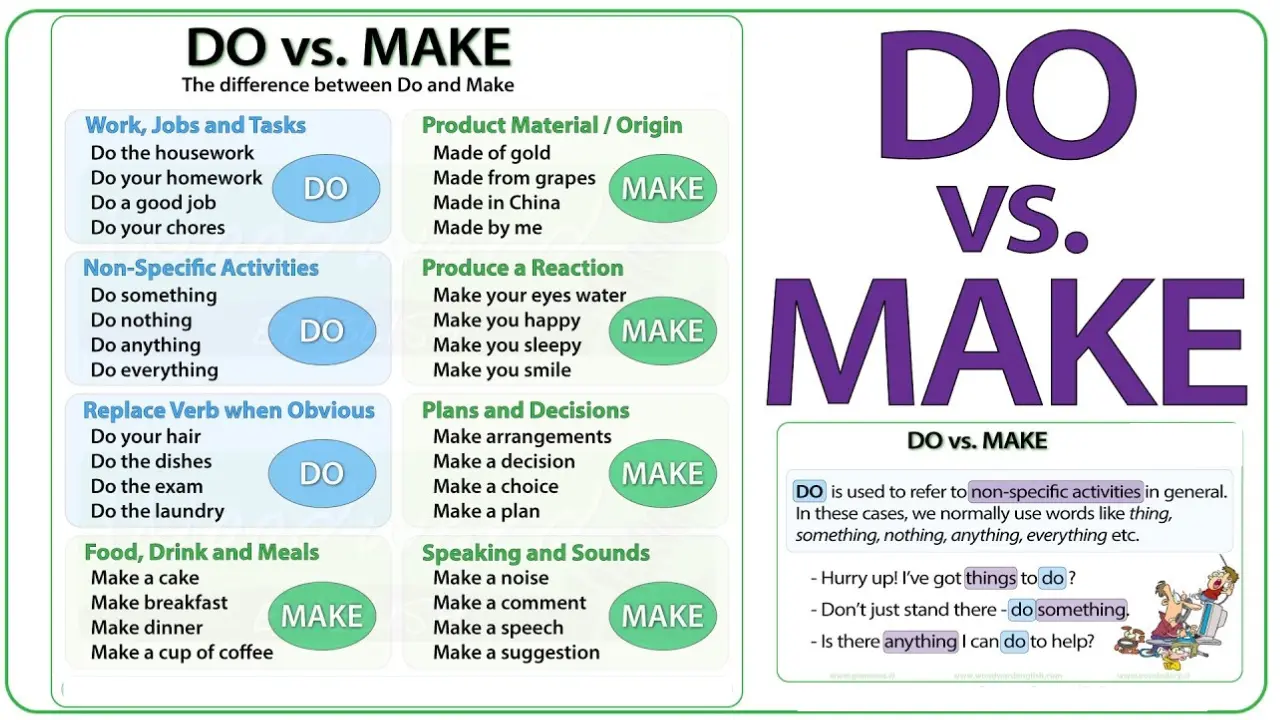
You Did It vs. You Made It, You did it means that a person successfully performed an action, completed a task, solved a problem, or achieved a goal. The word it refers to the thing they were trying to do.
This phrase is broad and works for achievements of many sizes. It can celebrate a child tying a shoe, a student finishing a difficult exam, or an athlete winning a competition.
- “You fixed the bike. You did it!”
- “You gave the presentation without notes—you did it.”
- “After months of training, you did it: you finished the race.”
The phrase puts the spotlight on the person’s action and result. It often carries a warm, enthusiastic tone, especially after effort, doubt, or a challenge.
What you made it means
You Did It vs. You Made It, You made it usually means that a person reached a destination, arrived before a limit, got through a difficult situation, or attained a hoped-for level of success. It emphasizes getting to an endpoint.
Often, the endpoint is stated after made it. For example, someone can make it to class, home, on time, through the storm, or into college.
- “The traffic was terrible, but you made it on time.”
- “I am glad you made it home safely.”
- “You worked hard for years, and you finally made it.”
When used without extra words, you made it can mean you achieved success or you reached the goal we were waiting for. The exact goal is understood from the situation.
You Did It vs. You Made It in common situations
You Did It vs. You Made It, The best choice depends on what is being celebrated: the completion of an action, or arrival at an endpoint. In some cases, either phrase is correct but creates a slightly different emphasis.
Finishing a task
Choose you did it when the key point is that the work is complete.
- “You did it—you assembled the desk.”
- “You did it! The report is finished.”
“You made it” is less natural here unless the task is framed as a difficult journey or a deadline: “You made it through the final revision.”
Arriving somewhere
You Did It vs. You Made It, Choose you made it for reaching a physical location.
- “You made it to the party!”
- “We were worried, but you made it here.”
You did it can work if reaching the place was a major challenge, but it sounds more like praise for the accomplishment than a simple greeting: You did it—you reached the summit.
Meeting a deadline
You Did It vs. You Made It, “You made it” is especially natural when a person arrives before time runs out.
- “You made it just before midnight.”
- “You made it to the interview on time.”
“You did it” also works after the deadline is met, particularly if the focus is on completing the required work: “You did it—you submitted the application before the deadline.”
Passing a test or earning a qualification
You Did It vs. You Made It, Either phrase can fit. You did it emphasizes the successful performance; you made it emphasizes reaching the next stage.
- “You did it! You passed the exam.”
- “You made it into the program.”
For a test itself, you did it is usually the simpler and more direct congratulation. For admission, selection, promotion, or qualification, “you made it” often sounds more natural.
Getting through hardship
You Did It vs. You Made It, You made it is common when someone has endured a hard period and reached safety, recovery, or a calmer point.
- “That was a difficult year, but you made it through.”
- “You made it out before the weather got worse.”
“You did it” can be encouraging after a demanding challenge, such as a race, performance, or difficult conversation. It sounds more focused on what the person managed to do.
The grammar behind the difference
You Did It vs. You Made It, Both phrases use the simple past form, but their verbs behave differently in meaning.
In “you did it,” did is the past form of do. “Do” is a very general verb for acting. The pronoun “it” stands for the task, action, or achievement.
In “you made it,” made is the past form of make. Although “make” can mean create or produce something, this expression uses an idiomatic sense: manage to reach, attain, or survive to an endpoint.
That is why “I made it to the station” does not mean “I created the station.” It means “I succeeded in arriving at the station.”
When both phrases work
You Did It vs. You Made It, Sometimes both are idiomatic because a single event is both an achievement and an arrival at a goal. The difference is one of perspective.
Imagine a runner crossing a marathon finish line:
- “You did it!” praises the runner for completing the marathon.
- “You made it!” highlights that the runner reached the finish line.
Likewise, after someone finishes a long application process, “You did it!” celebrates the completed effort. “You made it!” may suggest that they have reached acceptance, approval, or another desired result.
Neither is automatically more enthusiastic. A speaker can say either phrase with excitement, relief, pride, humor, or quiet reassurance.
Common mistakes to avoid
- Using “made it” only for physical travel. It also applies to time, survival, selection, and success: “She made it through the interview process.”
- Using “did it” only for large achievements. It can recognize small wins too: “You did it—you opened the jar.”
- Assuming the phrases always mean the same thing. They can overlap, but “did it” is about accomplishment and “made it” is about reaching an endpoint.
- Confusing “made it” with “made it up.” “Made it up” can mean invented something, reconciled after an argument, or created a missed item of work, depending on context. It is a different expression.
Natural ways to congratulate someone
You Did It vs. You Made It: Use details after either phrase to make your message clearer and more personal.
- “You did it! I knew you could finish the project.”
- “You made it to the ceremony—I’m so glad.”
- “You did it: you earned your certificate.”
- “You made it through a very demanding week.”
- “You did it, and your hard work showed.”
- “You finally made it to the final round.”
You Did It vs. You Made It, For formal writing, a fuller sentence may fit better: “Congratulations on completing the program” or “Congratulations on being accepted.” The shorter phrases are most common in conversation, texts, speeches, and friendly messages.
Frequently asked questions
Is you made it grammatically correct?
Yes. It is a standard English expression meaning that someone managed to arrive, reach a goal, meet a time limit, or get through a difficult situation.
Can I say you made it after someone passes an exam?
Yes, especially when passing means they have reached a new stage, such as admission, graduation, or professional qualification. “You did it” is often more direct when praising the act of passing the exam.
Does you did it always sound like praise?
Usually, yes. However, tone can change it. Said with anger or disbelief, it can assign blame: “You did it—you deleted the file.” Context and voice matter.
What does I made it mean?
“I made it” commonly means “I arrived,” “I succeeded,” or “I got through it.” For example, “I made it to the meeting” means “I arrived at the meeting.”
Can you did it and you made it be used together?
Yes. Saying “You did it—you made it!” adds emphasis after a difficult goal has been reached. It is most natural when the achievement and the endpoint are both clear.
Choosing the right phrase
For You Did It vs. You Made It, remember the central contrast: say “you did it” to celebrate completing an action or achievement, and say “you made it” to celebrate reaching a place, deadline, goal, or safer point after difficulty. Where both are possible, choose the phrase that best matches the part of the success you want to highlight.