Mahoraga Ancient Mythology And Modern Fiction
Mahoraga is a name that echoes through both ancient mythology and modern fiction. It symbolizes strength, mystery, and transformation. In Buddhism, it refers to a divine serpent being that protects sacred teachings. However, in modern anime, especially Jujutsu Kaisen, it has taken on a far more terrifying and fascinating form. This combination of history and creativity makes it an unforgettable character.
What is Mahoraga?
The story of mahoraga begins in Buddhist and Hindu traditions. The word comes from Sanskrit, where Maha means great, and Raga can mean serpent or creature. In ancient texts, these beings lived beneath the earth and were connected to wisdom and protection. They often guarded temples and were part of the eight guardian deities who served the Buddha. Over time, their image evolved, merging with local beliefs across Asia.
Buddhist Belief
In Buddhism, it represents transformation and renewal. These beings are often seen as half-human and half-snake creatures. They are said to move underground, symbolizing hidden knowledge. Monks believed they could protect against evil and natural disasters. By worshiping them, believers hoped to gain blessings and strength. Their dual nature, part animal and part divine, reflects the balance between chaos and order.
Symbolic Meaning
The meaning of it goes beyond mythology. It represents the human ability to adapt and grow through challenges. Just as the serpent sheds its skin, it symbolizes rebirth and change. This makes it a powerful symbol of evolution and wisdom. In spiritual traditions, it also teaches patience and endurance, showing that growth often comes from facing pain and hardship.
Jujutsu Kaisen
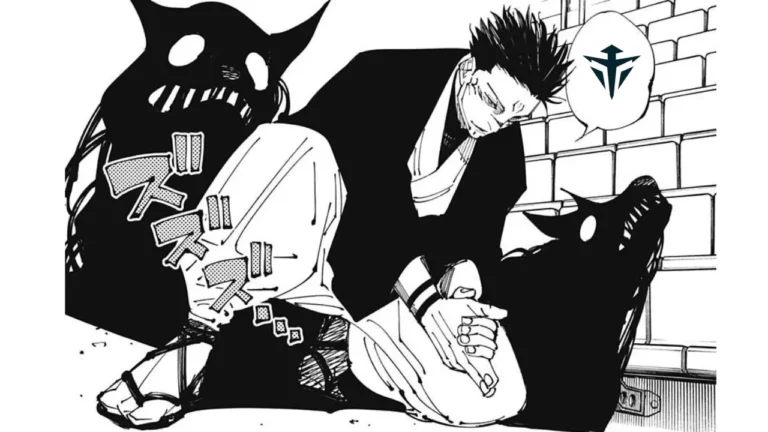
In Jujutsu Kaisen, it is introduced as the strongest shikigami of the Ten Shadows Technique. The user, Megumi Fushiguro, summons it during a battle, and it becomes one of the most dangerous beings in the story. The anime version takes inspiration from the mythological guardian but transforms it into a nearly unstoppable force. Its wheel-shaped halo on the back rotates every time it adapts to a new attack, showing its ability to evolve endlessly.
Power and Abilities
The anime’s mahoraga is feared because it can adapt to anything. Whether it faces physical or magical attacks, it quickly learns and changes its form to resist them. This makes it nearly unbeatable. The wheel behind it symbolizes constant motion and learning. Every turn of the wheel marks a new level of adaptation. Even powerful sorcerers in the series struggle to defeat it because it never stays the same.
| Aspect | Description |
|---|---|
| Type | Shikigami (Summoned Spirit) |
| Summoner | Megumi Fushiguro |
| Origin | Ten Shadows Technique |
| Main Power | Adaptation to any attack |
| Symbol | Rotating Wheel on Back |
| Nature | Divine and Destructive |
Appearance
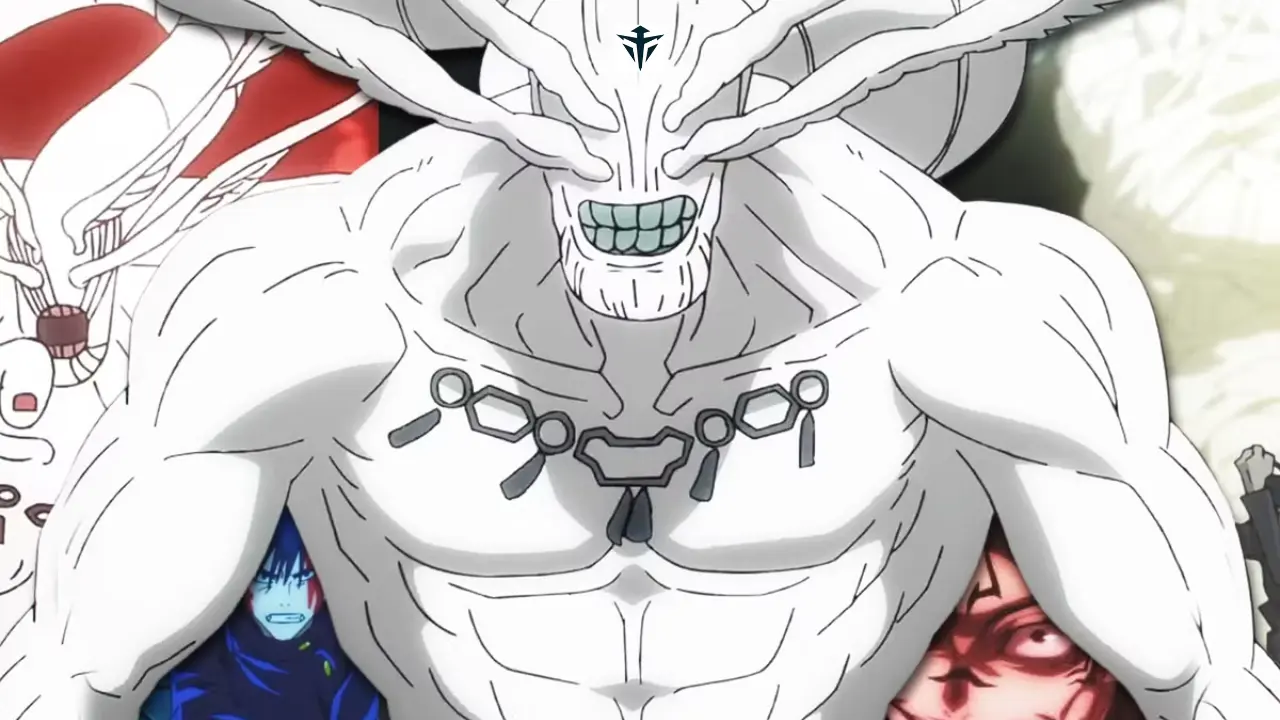
The design of mahoraga in Jujutsu Kaisen is striking and terrifying. It has a large, muscular humanoid body with armor-like skin. The most unique feature is the golden wheel attached to its back, which glows and turns as it learns. Its face is partly covered, giving it an aura of mystery. The creature’s size and posture make it look godlike, reminding viewers of ancient statues of warrior deities.
Symbolism
The wheel behind it is not just decoration; it holds deep meaning. In Buddhism, the wheel represents the cycle of life and the continuous path to enlightenment. In the anime, it symbolizes adaptation and evolution. Each time the wheel spins, it grows stronger and wiser. This turning motion shows how power comes from learning and change, a message that reflects both spiritual and human growth.
Role of Mahoraga in the Story
When Megumi summons mahoraga, it marks one of the most intense moments in Jujutsu Kaisen. The creature does not serve its master easily; it attacks everything, including the summoner. This shows that such great power comes with great risk. The battle scenes involving it reveal the thin line between control and chaos. It represents the ultimate test of strength, courage, and survival.
Cultural Impact
Because of Jujutsu Kaisen, it has become popular around the world. Fans are fascinated by its appearance, power, and symbolism. Artists create drawings, and writers explore its meaning in fan stories. Teachers and scholars even discuss how the show mixes ancient beliefs with modern storytelling. The idea that something from old religion can still inspire today’s generation shows the lasting impact of mythology.
Connection to Nature
In mythology, mahoraga also has a link to nature. As a serpent-like being, it controls the underground and natural forces. This connection shows the importance of harmony between humans and the earth. By respecting the power of nature, we maintain balance. The story of it encourages people to honor natural cycles and learn from the environment around them.
Frequently Asked Questions
What is Mahoraga?
It is a mythological being from Buddhist and Hindu traditions, often shown as a serpent deity or guardian spirit. In popular culture, especially Jujutsu Kaisen, it is reimagined as a divine creature with unmatched power and adaptability.
What makes it special in Jujutsu Kaisen?
In Jujutsu Kaisen, it is the most powerful shikigami summoned through the Ten Shadows Technique. It can adapt to any attack, making it almost impossible to defeat.
What does it symbolize?
It symbolizes transformation, balance, and strength. It teaches that true power comes from learning, adapting, and overcoming challenges.
Is it real or fictional?
The concept of it comes from real ancient Buddhist mythology, but its form and role in Jujutsu Kaisen are fictional adaptations inspired by those ancient beliefs.
Conclusion
The story of Mahoraga blends ancient belief with modern imagination. From a guardian serpent in Buddhist legends to a divine warrior in anime, it has evolved while keeping its essence—the power to adapt and protect. Its symbolism continues to inspire fans and thinkers alike. Through mythology or fiction, it reminds us that life’s greatest strength lies in learning, growing, and transforming without losing our inner purpose.